Why Pressure, Tread, and Tire Condition Matter Before You Leave
A trailer can spend most of the year sitting quietly beside a garage, in a yard, or at a storage facility, then suddenly be expected to handle hours of summer driving without complaint. That long period of inactivity can create a false sense of security because tires may look fine while pressure slowly drops or rubber begins to age. Making trailer tire maintenance part of the pre-trip routine helps uncover those quieter problems before heat, speed, and weight place extra strain on the tires. For anyone towing a boat, utility trailer, camper, or equipment load, a few careful checks can make the first miles of a trip feel considerably more relaxed.
Tire pressure deserves particular attention because under-inflation can affect both handling and heat buildup. A tire that is even moderately low may flex more than intended as it rolls, creating additional heat inside the rubber. During a long drive on hot pavement, that extra temperature can become a serious concern. Pressure should be checked when the tires are cold and compared with the recommended specification for the trailer and tire setup. It is also worth remembering that the tow vehicle and trailer do not necessarily use the same pressure. Guessing based on appearance is unreliable, since a tire can be noticeably under-inflated without looking obviously flat.
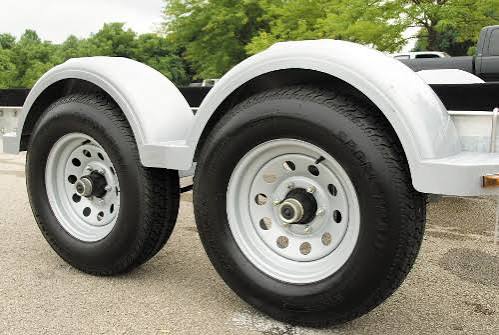
Tread and sidewall condition tell another important part of the story. Uneven tread wear can suggest alignment, suspension, loading, or inflation issues, while cuts, bulges, cracking, or exposed material should never be brushed aside. Trailer tires can also deteriorate simply from age and exposure, even when they have relatively few miles on them. Sunlight, weather, and long periods of standing in one position all affect rubber over time. Looking closely at every tire, rather than giving them a quick glance from several feet away, can reveal changes that might otherwise go unnoticed until the trailer is already travelling at highway speed.
The spare tire deserves the same attention as the tires currently touching the road. It is surprisingly common for a spare to remain untouched for years, only to be discovered flat, cracked, or unusable during an emergency. Checking its pressure and condition before departure can prevent that unpleasant surprise. While inspecting the trailer, it also makes sense to look at valve stems, wheel nuts, and visible wheel damage. Load matters too. Tires have specific weight ratings, and carrying more than they are designed to support can increase stress dramatically. Distributing cargo sensibly and staying within the trailer’s limits helps the tires perform as intended throughout the journey.
Summer towing should be about reaching the lake, campsite, worksite, or holiday destination, not standing beside a busy road dealing with preventable tire trouble. Regular trailer tire maintenance provides a simple way to reduce that risk by keeping pressure, tread, age, damage, and load capacity on the radar. None of these checks are especially complicated, yet together they can reveal small concerns before they turn into larger ones. A trailer that has been parked for months deserves more than a quick hitch-up and departure. Giving the tires a proper inspection before leaving can protect the load, improve towing confidence, and make a long summer drive much easier to enjoy.
…