
Understanding the Basics of Efficient Material Screening
Choosing screening equipment can look simple on paper, but the details quickly become important once real materials, real workloads, and real site conditions enter the picture. A Trommel Screener can handle a wide range of sorting tasks, yet the right machine depends on much more than overall size or purchase price. Drum dimensions, opening sizes, feed design, output expectations, and mobility all influence how smoothly material moves through the process. For businesses comparing equipment, understanding those basics early can prevent an expensive mismatch and make everyday operation far more predictable. It also helps buyers focus on practical performance instead of being distracted by features they may never actually need.
One of the first things to consider is the material itself. Compost, soil, aggregates, wood waste, and mixed debris can behave very differently inside a rotating drum. Moisture content matters, as does the shape and size of the material being processed. Screen openings that work well for one application may be far too large or too restrictive for another. It also helps to think about how consistently material will be fed into the machine. A setup that looks capable on a specification sheet may struggle if the feed rate, particle characteristics, or moisture levels do not match the design. Testing assumptions against typical working conditions can reveal useful differences between otherwise similar machines.
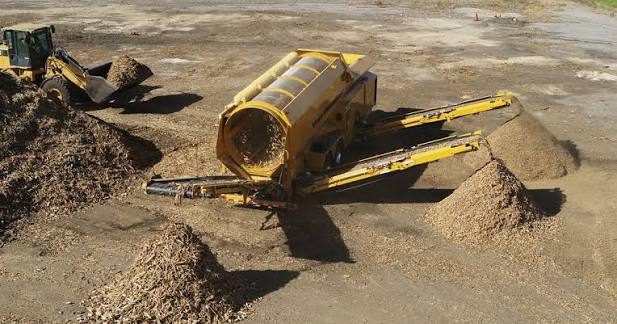
Capacity deserves just as much attention because production goals can vary widely from one operation to another. A smaller unit may be perfectly suitable for occasional screening or a limited daily volume, while a busy processing site may need equipment designed for continuous, higher output. Drum length and diameter can affect throughput, but so can conveyor design, feed hopper size, and the speed at which material travels through the system. Looking at the entire flow of material, rather than focusing on a single number, gives buyers a much clearer idea of what a machine can realistically achieve.
Mobility is another practical detail that can shape the buying decision. Some businesses need a machine that remains in one place, while others work across multiple job sites and need equipment that can be transported with fewer complications. Tracked models can be useful in rough or changing environments, while more stationary systems may suit fixed processing yards. Power options also matter. Diesel, electric, and hybrid configurations can each make sense depending on access to power, fuel costs, operating hours, and local conditions. The best setup is usually the one that fits naturally into the existing workflow.
Price will always matter, but it should sit alongside reliability, maintenance access, parts availability, and expected service life. When evaluating a Trommel Screener, it helps to think about what ownership will look like months and years after the purchase. Easy access to wear parts, straightforward servicing, and equipment that matches actual production demands can be worth more than a tempting upfront deal. Taking time to compare features, condition, capacity, and operating requirements gives businesses a stronger chance of choosing equipment that stays useful, dependable, and productive as workloads change. A thoughtful purchase is less about finding the biggest machine and more about finding one that keeps doing its job without creating unnecessary complications.